


If you’re planning your gardening journey but aren’t sure where to begin, we’re here to help you start your garden, no matter the time of year. Even as autumn approaches, there are plenty of greenery options to bring your garden to life, regardless of the colder weather.
Done correctly, gardens can become a true oasis, offering a range of benefits – from the physical and mental health improvements of being in nature to supporting biodiversity and encouraging local habitats and wildlife.
A beautiful garden isn’t just about the wellbeing benefits – a recent study found that a well-kept garden can add up to £58k to the value of your home, with certain plants even contributing to this. So, it’s clear investing in your garden is truly good for mind, body and soul. But knowing where to begin can feel overwhelming.
The type of plant, its positioning, and your climate are key considerations before getting your hands dirty. So, let’s plot through some of the essential steps to start your garden.
Step 1: Decide what you want your garden to be
Before planting, it’s important to figure out the best seeds and flowers for your space. This will depend on what you’re looking for. Do you want to grow your own produce with a vegetable or herb garden, or are you looking for a colourful display of flowers to make the space more inviting? Knowing this upfront will guide your choices throughout the garden.
Step 2: Pick the right time and plants to plant in your garden
Once you’ve decided what type of garden you want, it’s time to choose plants suitable for the season. If you’re new to gardening, it’s often best to start small and expand gradually over the year.
Winter
December to February is the perfect time to plan and protect your garden. Consider planting indoors or under cover:
- Vegetables: ,Broad beans, early peas, onions, and leeks
- Herbs: Basil, parsley, rosemary, coriander, and thyme
- Flowers: Snowdrops, hellebores, winter, aconites, and hedging plants
Spring
March to May is the busiest planting season thanks to warmer soils. Consider planting:
- Vegetables: Carrots, beetroot, spinach, lettuce, radishes, peas, beans, broccoli, cabbage, potatoes, courgettes and tomatoes (from seedlings)
- Herbs: Parsley, coriander, dill, chives, mint, thyme, oregano and basil
- Flowers: Marigolds, nasturtiums, sunflowers, pansies, sweet peas, petunias, zinnias, cosmos, gladioli and dahlias
Summer
June to August is ideal for sowing fast-growing crops and preparing autumn harvests. Consider planting:
- Vegetables: Beans (runner, French, dwarf), sweetcorn, squashes, cucumbers, courgettes and pumpkins. Start kale, cabbages and turnips for autumn/winter.
- Herbs: Basil, coriander, dill, parsley, tarragon and lemon balm
- Flowers: Zinnias, cosmos, dahlias, gladioli, snapdragons, lavender and bedding plants
Autumn
September to November is the perfect time to plant overwintering crops and spring-flowering bulbs, such as:
- Vegetables: Winter lettuce, spinach, kale, pak choi and spring onions
- Herbs: Chives, parsley, coriander, rosemary, thyme and sage
- Flowers: Violas, pansies, primroses, wallflowers, forget-me-nots and cyclamen. Plant spring bulbs such as daffodils, tulips, crocuses and hyacinths
Step 3: Find the best spot for garden sunlight
Now that you know what to plant, it’s important to consider where to plant it. Sunlight is crucial for healthy growth, so the best position is usually one that receives six to eight hours of sun per day. Other factors to consider include soil quality, visibility and access to water. Choosing the right spot gives your plants the best chance to flourish.
Step 4: Begin your gardening journey
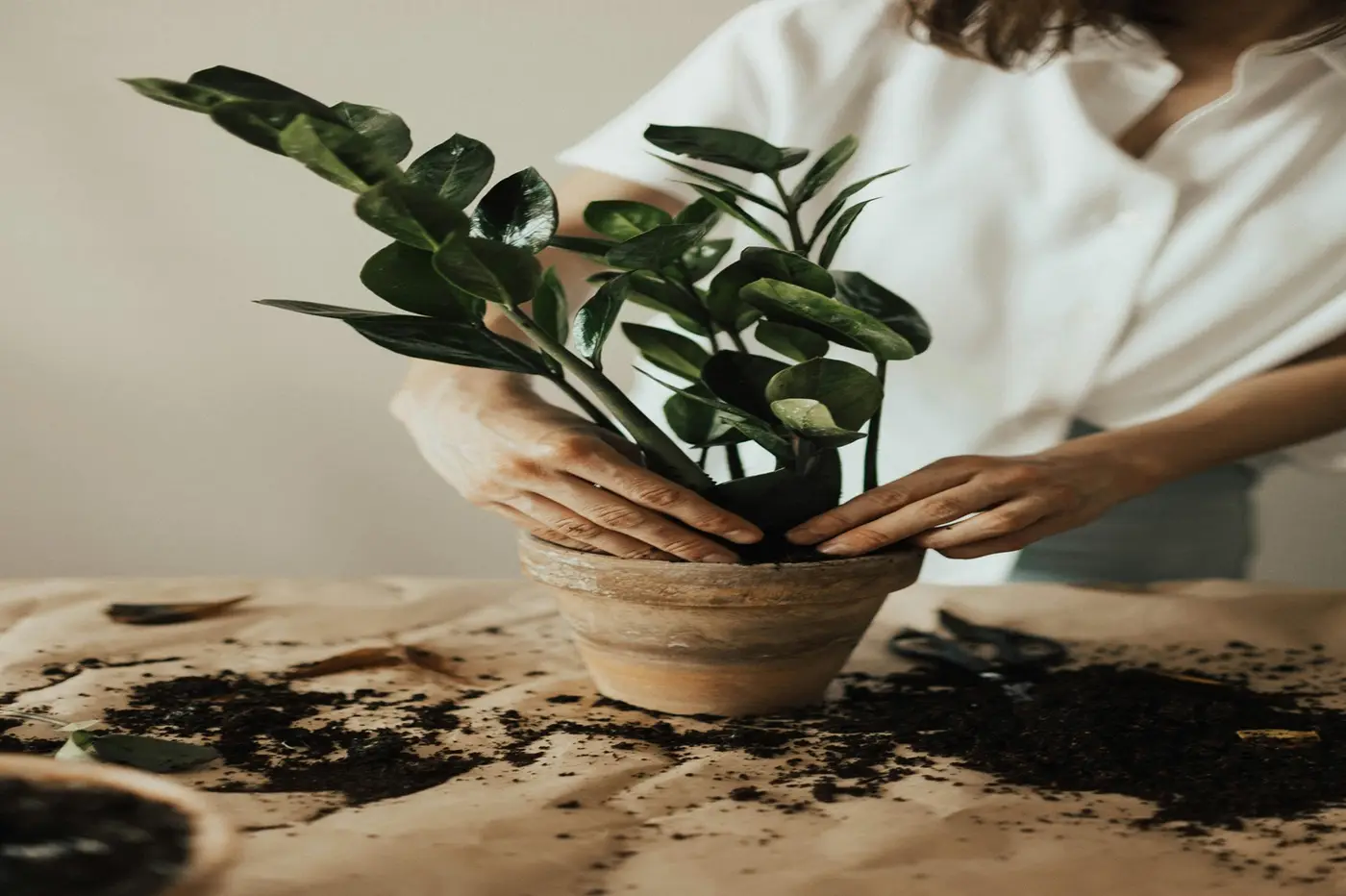
With your plan in place, it’s time to start planting! Begin by removing any weeds from your chosen areas. To improve soil fertility, you may also want to add compost.
Sow your seeds in rows, giving them plenty of space to grow. Each seed will have a recommended depth, so be sure to check this before planting. Proper preparation now will help your garden thrive throughout the year.
Step 5: Maintaining your garden year-round
After planting, long-term maintenance is key to keeping your garden vibrant all year round. Not to mention the benefits it could add if you’re looking to sell your house. Here are our top tips:
Apply a layer of organic mulch around your plants to retain moisture, suppress weeds and insulate roots from extreme temperatures.
Protect plants from pests using mesh netting or copper tape.
Label your plants so you can remember what they are and track watering, pruning and replanting needs.
Water deeply once or twice a week, ideally in the morning, targeting the roots rather than leaves. Avoid watering during the heat of midday.
Prune trees and shrubs in January and February, removing any dead or damaged stems.
If you’re looking for plants that require less frequent watering, geraniums and certain bedding plants are particularly resilient in drier conditions.
Contact Gascoines
If you’re looking for a property with a beautiful garden – or the potential to create one – we can help. Contact Gascoines today or follow us on Instagram for regular property updates.